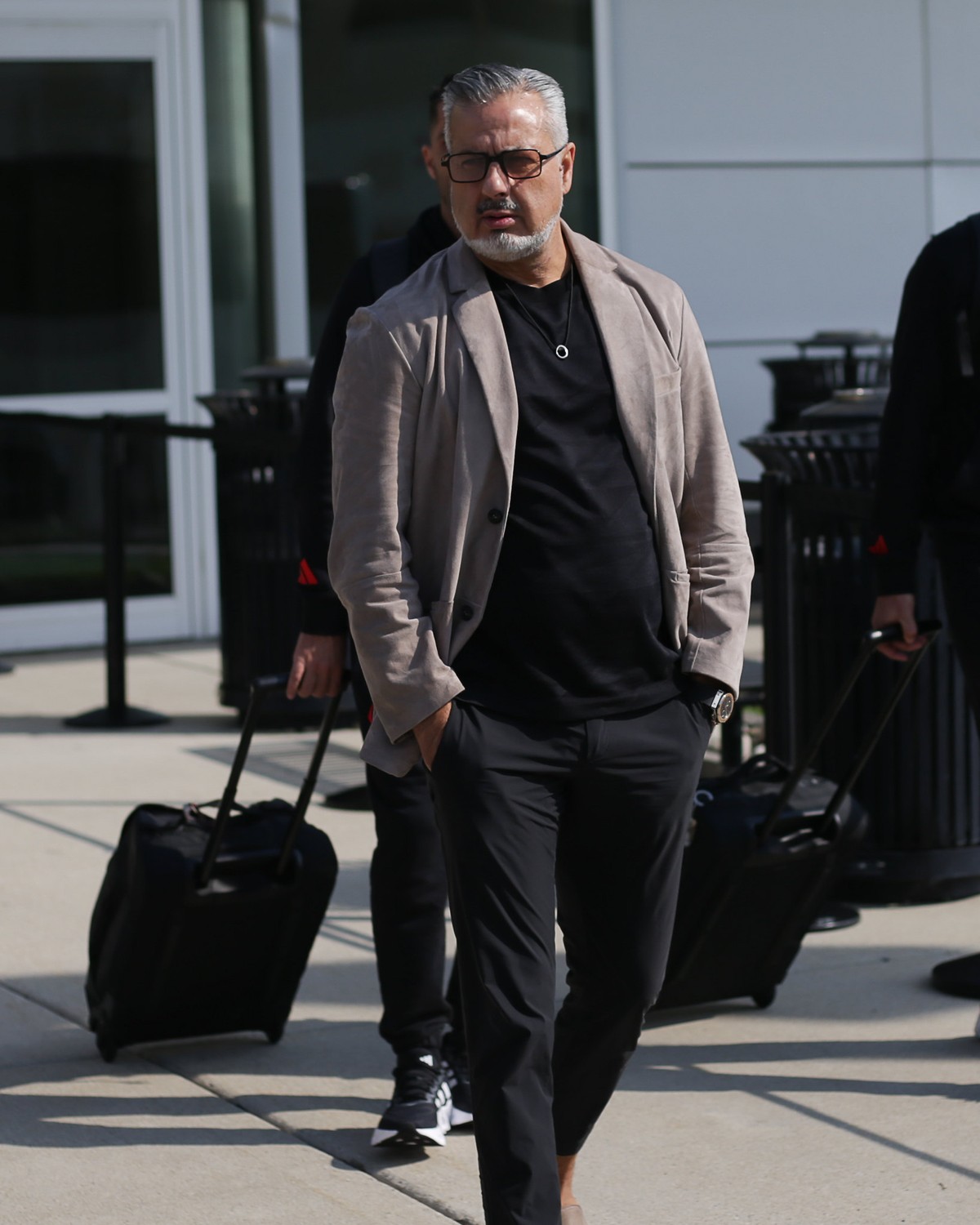
José Boto Crisis: Vetoed Transfer Fuels Flamengo Resignation Talk
The corridors of Gávea are buzzing with speculation as José Boto, Flamengo's Technical Football Director, finds himself at the epicenter of a swirling crisis. A mere seven months into his tenure, Boto's position has become increasingly precarious, culminating in intense discussions about a potential josé boto demissão. The immediate catalyst? A high-profile transfer veto by club President Luiz Eduardo Baptista, affectionately known as Bap, that has left Boto feeling profoundly undermined and considering his future at one of Brazil's biggest football institutions.
Since his arrival at the start of the year, Boto has navigated a challenging landscape, but recent events have pushed him to the brink. The Portuguese director recently requested a crucial meeting with President Bap to ascertain if he still held the club president's confidence. This urgent dialogue was prompted by leaked information suggesting Bap personally blocked the acquisition of Irish forward Mikey Johnston from West Bromwich (England). This incident has not only highlighted a significant power struggle but also ignited widespread internal debate and public scrutiny over Flamengo's transfer strategy and leadership dynamics.
The Mikey Johnston Veto: A Crisis Point
The proposed transfer of Mikey Johnston was more than just another potential signing; it represented a strategic move meticulously planned by José Boto and the technical committee. Sources close to the club revealed that Flamengo had already issued flight tickets for Johnston to arrive in Rio de Janeiro, with the intention of having him available for the upcoming match against São Paulo. Boto reportedly believed Johnston possessed the exact profile requested by the coaching staff, making his integration into the squad a top priority. The swiftness with which the deal was moving underscored Boto’s conviction in the player's potential to bolster the team.
However, Bap's eleventh-hour intervention brought the transfer to an abrupt halt. This direct interference, reportedly the first of its kind by the president in Boto's tenure, sent shockwaves through the club. For Boto, it wasn't just about losing a target player; it was a perceived vote of no confidence that struck at the core of his professional authority. How can a director effectively lead the football department if his key decisions are subject to last-minute presidential overrides? This question now hangs heavy over his head, fueling the whispers of a potential josé boto demissão.
The decision to veto Johnston's transfer quickly drew negative reactions from both fans and internal stakeholders. The pressure mounted on the Gávea administration, questioning the rationale behind rejecting a player who was seemingly approved by the technical leadership. Such public disunity can severely impact team morale and future transfer negotiations, making other prospects wary of the club's internal processes. The episode serves as a stark reminder of the delicate balance between a director’s operational autonomy and a president’s ultimate oversight in a top-tier football club.
Beyond Transfers: Deep-Seated Discontent and Internal Dynamics
While the Johnston saga is the most visible flashpoint, José Boto's instability at Flamengo appears to stem from deeper, more systemic issues. Reports suggest a broader sense of disillusionment and friction within the club. One significant area of concern is Boto's relationship with the squad. There have been mentions of an "erosion" of trust and rapport between the director and various players, indicating challenges in day-to-day interactions and management styles. This internal friction, even amidst a strong first half of the season on the field, can be corrosive, affecting team cohesion and overall atmosphere.
Furthermore, Boto's relationship with coach Filipe Luís has also been highlighted as a source of discomfort for some within the Rubro-Negra hierarchy. While the exact nature of this discomfort isn't fully detailed, it points to a potential misalignment or tension in key leadership positions that could impede effective strategic planning and team performance. In a high-pressure environment like Flamengo, harmonious relationships between the director, coaching staff, and players are paramount for sustained success. Any perceived discord can quickly escalate into a full-blown crisis, contributing to the pressure for a josé boto demissão. For more insights into the broader context of his struggles, read about Flamengo Director José Boto: Instability, Internal Pressure & Bap's Veto.
The cumulative effect of these internal dynamics, combined with the public embarrassment of the vetoed transfer, has created a challenging environment for Boto. While some who work closely with him believe his departure is unlikely at this specific moment—especially with the transfer window set to open in a few days—the underlying dissatisfaction on both sides is undeniable. The club’s on-field success often masks deeper structural issues, and Boto’s situation brings these to the forefront.
The Financial Implications of a Potential José Boto Demissão
Should the ongoing crisis culminate in a josé boto demissão, significant financial implications would come into play for both parties. As is common in high-stakes football contracts, an eventual rupture of Boto's agreement with Flamengo would trigger penalty clauses. According to investigations, the fine for a unilateral rescission of the contract at this point is estimated at approximately R$2 million. This substantial figure underscores the financial commitment Flamengo made when bringing Boto aboard and highlights the cost of leadership changes.
The complexity doesn't end there. Boto's contract, similar to those of many professional athletes in Brazil, features both a traditional employment bond and a separate agreement for image rights. This image rights clause introduces an additional layer of financial consideration: if the club is not notified of a resignation request with at least one month's advance notice, Flamengo could be entitled to an additional 30% on top of the base multa. This mechanism is designed to protect the club's commercial interests and planning, similar to how Flamengo approached the Gerson case, where the club considered legal action over a contractual breach related to image rights.
Understanding these contractual intricacies is crucial for both Boto and Flamengo. For Boto, weighing a potential resignation means contemplating not only his career path but also the financial ramifications of breaking a legally binding agreement. For Flamengo, any decision regarding Boto’s future must carefully balance the desire for internal stability with the significant costs associated with a premature contract termination. These financial details add another layer of complexity to an already tense situation, making a swift and amicable resolution challenging. For a deeper dive into these figures, see our article on Flamengo's José Boto Exit: Unpacking the R$2 Million Contract Fine.
Navigating the Future: Flamengo's Dilemma and Boto's Stance
As the transfer window approaches, the Flamengo leadership faces a critical dilemma. The president’s unprecedented intervention has undeniably weakened Boto’s authority and created an environment of uncertainty within the football department. For a club with Flamengo's ambitions, clarity and unified direction are essential, especially when scouting and securing new talent. The ongoing instability risks affecting the club's ability to attract top-tier players and execute a coherent long-term strategy.
From Boto's perspective, the decision to potentially request a josé boto demissão is not taken lightly. Feeling "disrespected" and questioning the confidence placed in him by the president are significant personal and professional blows. While he may be internally dissatisfied, the timing of any such move would be crucial. Departing just before or during a key transfer window could be seen as disruptive, yet staying in a role where he feels undermined could be detrimental to his effectiveness and morale.
Ultimately, the resolution of this crisis will depend on a frank and perhaps difficult dialogue between Boto and Bap. Can trust be rebuilt? Can a clear delineation of responsibilities be re-established? Or has the damage been too extensive, making a separation inevitable? The next few days and weeks will be pivotal, not only for José Boto's career but also for Flamengo's strategic direction and internal harmony.
The situation serves as a powerful illustration of the inherent pressures and complex power dynamics within top-flight football clubs. Even when a team is performing well on the pitch, behind-the-scenes struggles can erupt, threatening to destabilize the entire organization. Flamengo and José Boto are now at a crossroads, with the outcome poised to significantly impact the club’s trajectory in the coming season and beyond.